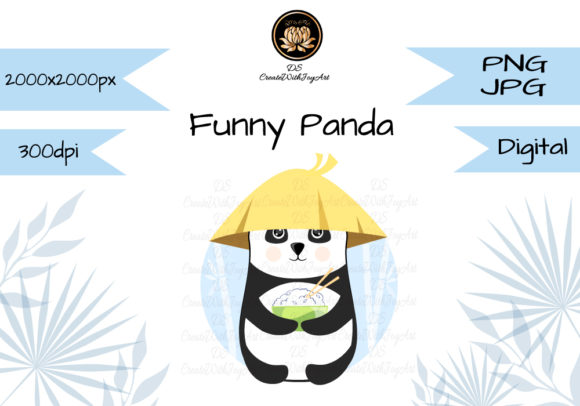
Baby Panda in a Hat with a Plate of Rice
In the crowded digital landscape, finding a visual element that instantly captures attention while maintaining a sense of whimsy is a challenge. Enter Baby Panda in a Hat with a Plate of Rice, a unique design asset that bridges the gap between playful illustration and professional utility. This isn't just a cute image; it is a strategic component for brands looking to soften their edge or inject personality into serious projects. The character's charm lies in its simplicity: a baby panda donning a stylish hat, comfortably seated with a plate of rice. It exudes a calm, approachable vibe that resonates immediately with audiences seeking warmth and authenticity.
The visual characteristics of this asset are meticulously crafted to ensure versatility. The high-resolution 2000x2000px format at 300 dpi guarantees crisp output whether you are printing a large-scale poster or scaling down for a mobile app icon. With a transparent background provided in the PNG file, integration into existing layouts is seamless, allowing designers to layer the character over complex textures or solid colors without unwanted white boxes. The RGB color profile ensures vibrant display on screens, making it an ideal choice for social media graphics and web design where color accuracy matters most.
Defining the Visual Personality and Style
What sets Baby Panda in a Hat with a Plate of Rice apart from generic clip art is its distinct narrative quality. The inclusion of the hat suggests a touch of sophistication or role-play, while the plate of rice grounds the image in themes of nourishment, culture, or daily life. This combination creates a multifaceted character that can be interpreted in various ways depending on the context. For a food blog, it might represent healthy eating; for a children's book, it could symbolize a bedtime story; for a brand identity, it serves as a friendly mascot.
The style leans towards modern typography and illustrative trends that favor clean lines and expressive forms. Unlike rigid serif fonts or overly formal sans serif fonts, this image operates more like a creative font—it communicates emotion through form rather than text. When used correctly, it enhances visual hierarchy by acting as a focal point that guides the viewer's eye before they even read the headline. The transparency of the background allows for fluid composition, enabling designers to create dynamic layouts where the panda appears to interact with surrounding elements naturally.
Strategic Applications Across Creative Industries
The utility of this design asset extends far beyond simple decoration. Designers, entrepreneurs, and content creators can leverage Baby Panda in a Hat with a Plate of Rice across a spectrum of projects. In editorial design, it can serve as a drop cap or section divider, breaking up dense text and adding a visual break that keeps readers engaged. For packaging design, the high-resolution JPG and PNG files ensure that the character looks sharp on product labels, boxes, and promotional materials, reinforcing brand recognition through consistent imagery.
For small business owners and marketers, this asset offers a cost-effective way to elevate brand perception. A logo design featuring this character can humanize a corporate entity, making it appear more relatable and trustworthy. In social media graphics, the vibrant colors and clear details stand out against busy feeds, increasing click-through rates and audience engagement. Whether you are creating a newsletter header, a webinar slide deck, or a digital advertisement, the presence of this character adds a layer of professionalism mixed with approachability.
The asset also fits well within commercial font collections where illustrative elements are paired with typefaces. While the font itself is not included, the image complements both handwritten fonts and modern typography styles. You might pair it with a bold sans serif font for headlines to create contrast, or use it alongside a script font for a softer, more elegant feel. The key is to treat it as a core design asset that anchors your visual identity.
Technical Considerations for Professional Output
While the digital files are optimized for screen viewing, achieving the best results in print requires specific technical steps. The product includes one PNG file and one JPG file, both at 2000x2000px resolution. However, it is crucial to remember that RGB colors may vary slightly due to different color monitors and printers. The final result will be determined by the quality of the printer and the paper used. To ensure accurate color rendition, you must convert the RGB format to CMYK format before printing.
This conversion process is straightforward but essential for professional-grade output. You can do this in Adobe Photoshop by creating a new document and, when setting the color mode parameters, replacing RGB with CMYK. This step prevents unexpected shifts in hue or saturation that can occur when moving from a light-based screen environment to a pigment-based print medium. Ignoring this step can lead to dull or muddy prints that fail to capture the intended vibrancy of the original design.
Additionally, users should note that the text seen in promotional images is for display purposes only and is NOT included in the product. The font used in the presentation design is separate and does not come with the download. This distinction is important for legal compliance and clarity regarding what assets are actually available for commercial use. The focus remains entirely on the high-quality illustration of the panda, which stands strong on its own merits.
Maximizing Impact Through Smart Pairing
To truly unlock the potential of Baby Panda in a Hat with a Plate of Rice, thoughtful font pairing is necessary. Since the image is playful yet polished, it pairs exceptionally well with typefaces that balance structure and friendliness. A modern sans serif font works well for body text, providing readability without competing with the character's visual weight. Conversely, a serif font can add a touch of editorial elegance if the project leans towards storytelling or luxury branding.
When evaluating project fit, consider the tone you wish to convey. If the goal is to build a community around a hobby or a lifestyle brand, the panda's inviting nature fosters connection. If the project involves educational content, the character acts as a visual aid that simplifies complex topics. Always test font pairings by placing the text near the image to ensure there is enough negative space and that the visual hierarchy remains clear. The goal is a cohesive look where the text and image support each other rather than fighting for dominance.
Ultimately, the value of this asset lies in its ability to adapt to diverse needs while maintaining a consistent standard of quality. By understanding the technical requirements and applying strategic design principles, professionals can integrate Baby Panda in a Hat with a Plate of Rice into their workflows seamlessly. Whether you are crafting a brand identity, designing a marketing campaign, or simply adding a touch of joy to a personal project, this image provides a reliable foundation for creativity.